

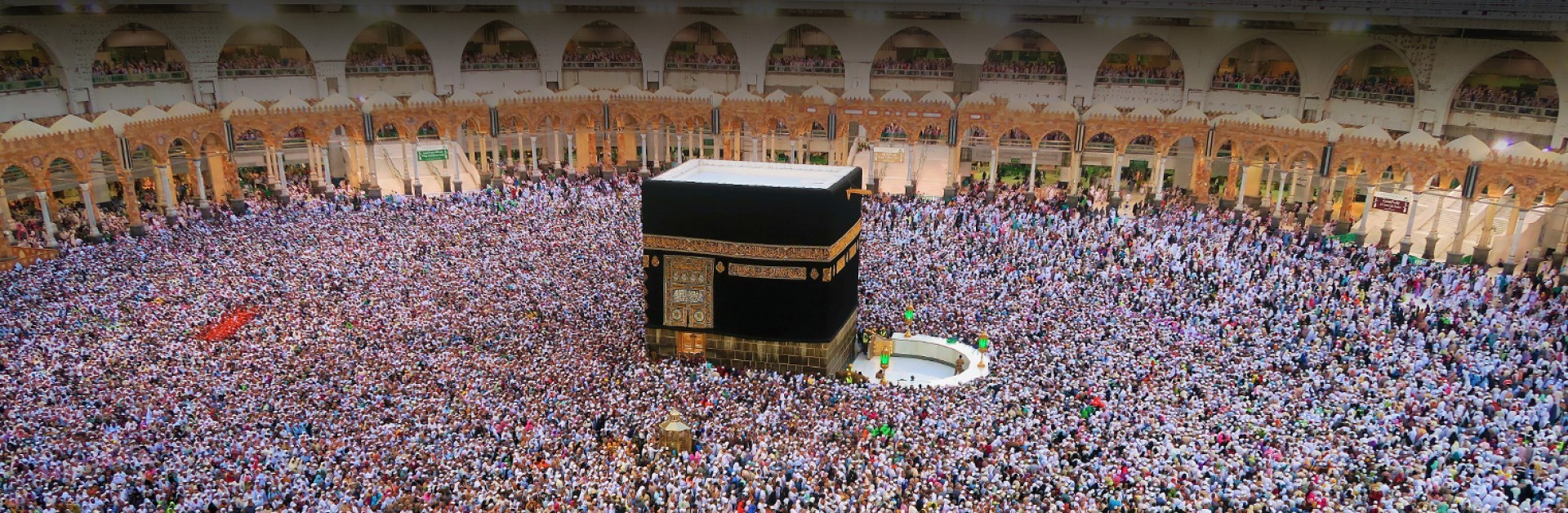
Medina
Medina is a historical place located in western Saudi Arabia and is the second holiest city of Islam. This city, which is of great importance for the...
What suits you best? medina turunu find easily
tune Tour Filters
Loading...
No tours found
You can change the criteria you are looking for or browse all tours...
Browse All Tours arrow_forwardMedina: The Second Holy City of Islam
Medina is a historical place located in the west of Saudi Arabia and is the second holy city of Islam. This city, which is of great importance for the birth and spread of the Islamic religion, is the home of Hz. It is known as the place where Muhammad migrated. Medina, one of the most important religious and historical centers of Islam after Mecca, carries great sanctity for Muslims.
History and Migration
The history of Medina dates back to A.D. It begins with the "Hijra" event, which took place in 622 and is considered the beginning of the Islamic calendar. Migration, Hz. It is the event when Muhammad and his followers migrated from Mecca to Medina. In order to escape from the persecution and oppression that Muslims were subjected to during the period of his prophethood in Mecca, Hz. Muhammad decided to go to Medina, which is approximately 320 km away.
The people of Medina, Hz. He welcomed Muhammad and the Muslims with open arms. This spirit of brotherhood and solidarity allowed the spread and strengthening of Islam in Medina. Medina became the place where the foundations of the Islamic state were laid.
Medina Becoming the Religious and Political Center
Hz. Muhammad's migration to Medina was an important turning point in Islamic history. Here he brought together the Islamic community and established basic religious and political structures. "Masjid an-Nabawi" (Mosque of the Prophet), the first mosque established in Medina, is a central place where Muslims perform their worship and collective prayers.
At the same time, agreements and constitutions were drawn up in Medina, providing an environment of peace and tolerance between different communities. Hz. Muhammad established friendly relations with non-Muslim communities in Medina, giving them the right to protect their own beliefs. During this period, Medina became an important center in terms of religion and politics and played a major role in the spread of Islam.
Tomb of the Prophet: Place of Visitors
Medina, Hz. It is the place where Muhammad spent the last periods of his life and died. The death of our Prophet in Medina was a source of great sadness for Muslims. Today, in the Masjid al-Nabawi, Hz. Muhammad's tomb is open to visitors and is considered a holy place of pilgrimage by Muslims. Visiting the tomb of the Prophet has great religious significance for Muslims, and many Muslims travel to Medina at some point in their lives to see this sacred place and pray there.
Conclusion
Medina, as an important religious and historical center of Islam, carries great sanctity for Muslims. Hz. Muhammad's migration and his great works here are a turning point in which the foundations of Islam were laid and spread. Today, Medina continues to be an important place of visit for Muslims with its holy places such as the tomb of our Prophet and the Masjid an-Nabawi. Medina's religious and historical importance maintains its place at the heart of the Islamic world, attracting hundreds of thousands of Muslim visitors every year.